
Scrollen

Wildlife Conservation
Promoting wildlife conservation
Sustainable and diverse: That is what wildlife conservation looks like at Cologne Zoo
Cologne Zoo’s Engagement
We manage a number of projects on our own. And we support partner organisations for other projects with our expertise and financial resources. We combine every new major construction project at the zoo with a related natural conservation project.
Our work
Between 2009 and 2025 alone, we were abler to donate around 3.5 Mio. euro for wildlife conservation with grants for various projects. We also strongly promote wildlife conservation locally in the Rhineland area, cooperating with local organisations such as NABU Cologne..
As a scientific zoo, we fulfil numerous tasks. On the one hand, we are an attractive location that combines entertainment, fun, relaxation and education. And on the other hand, we are aware of the problems that wildlife face and have therefore become an important global player in nature and wildlife conservation initiatives in recent years. We effectively coordinate our actions and initiatives through national associations such as the Association of Zoological Gardens (VdZ) and internationally active and networked organisations such as the European Zoo Association (EAZA) and the World Association of Zoos (WAZA)..
Breeding and research
Our work focus on breeding endangered species under conditions appropriate to their species. As part of this, we coordinate breeding programmes and maintain breeding registers worldwide for more than 1,000 different species. Nearly half of the species we manage this way are listed as “endangered” on the International Union for Conservation of Nature’s (IUCN) Red List. The goal is to provide genetically variable and viable wildlife stocks and prepare animals for release into the wild if possible.
Aufgrund dieses Engagements der Zoos weltweit konnten Tierarten wie Wisente, Kalifornische Kondore, Balistare, Przewalskipferde und Säbelantilopen vor dem Aussterben bewahrt werden. Darüber hinaus sind wir auch in der Forschung aktiv und kooperieren mit der Universität zu Köln und weiteren Forschungsinstitutionen. Ein Großteil des Wissens über Wildtiere stammt aus der Forschungsarbeit an diesen Tieren in menschlicher Obhut. Ohne dieses Engagement würden wir heute viel weniger über die Biologie von Tieren wissen, nicht nur in Tiergärten, sondern auch im Freiland
Some of our projects
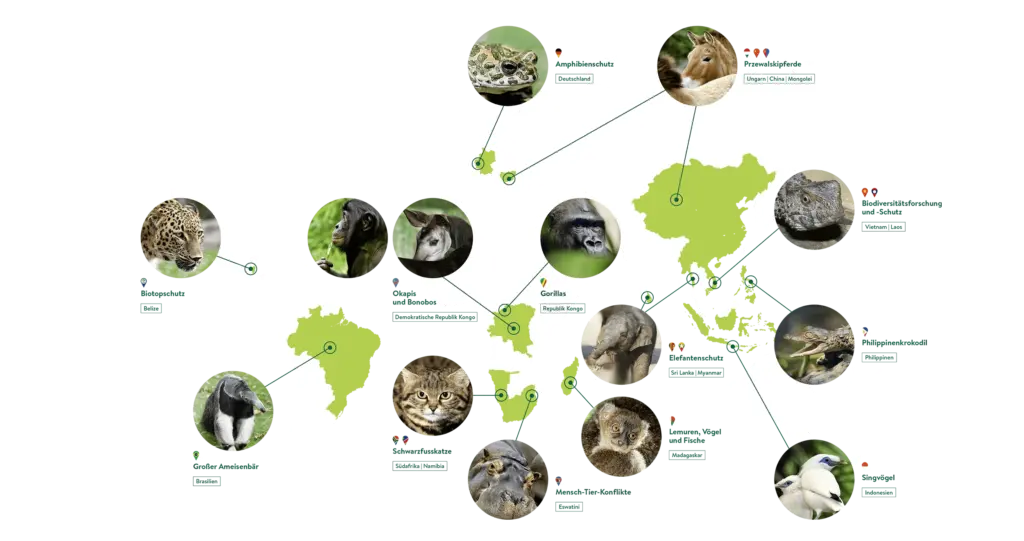

- BIOTOPSCHUTZ / Belize
- GROSSER AMEISENBÄR / Brasilien
- MENSCH–TIER–KONFLIKTE / Eswatini
- AMPHIBIENSCHUTZ / Deutschland
- OKAPIS / Kongo
- GORILLAS UND BONOBOS / Kongo
- SCHWARZFUSSKATZE / Südafrika
- LEMUREN UND VÖGEL / Madagaskar
- PRZEWALSKIPFERDE / Asien, Ungarn
- BIODIVERSITÄTSFORSCHUNG UND -SCHUTZ / Vietnam, Laos
- BÄRENSCHUTZ / Südostasien
- PHILIPPINENKROKODIL / Philippinen
- SINGVÖGEL / Indonesien
- ELEFANTENSCHUTZ / Sri Lanka
- BAUMKÄNGURU / Papua–Neuguinea

How zoological gardens protect BIODIVERSITY
Modern zoos are also responsible
for inspiring more than
700 million visitors
– 65 million of which are in Germany alone – about nature and wildlife conservation. Zoos are often the only way for many people to experience wildlife up close. Anyone who has seen tigers, elephants or rhinos at close range is able to better understand why nature and wildlife conservation is so important.
A worldwide network
Zoos around the world support hundreds of conservation projects and help preserve natural habitats. They provide around
350
million US dollars
each year for this. Zoos not only support such projects financially. Employees and members of the zoological garden are also engaged locally, making their expertise and experience available to others.

Our own projects


Our own projects
Independent initiatives
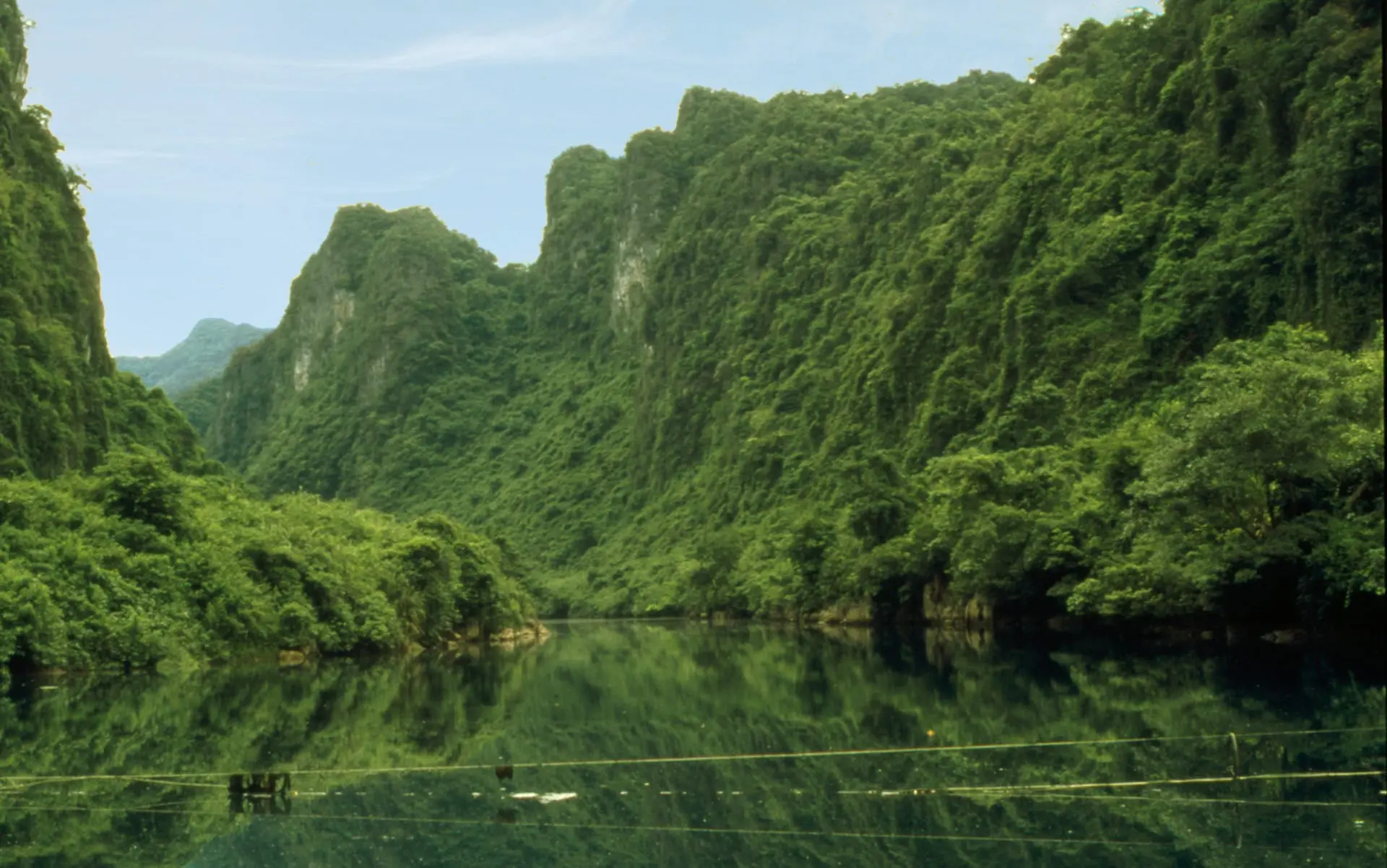
Cologne Zoo carries out its own conservation projects in different regions throughout the world. An example of this is the work started in 1999 in Vietnam. It initially focused on the Phong Nha-Ke Bang region in the centre of the country. But it now extends to many other regions in Vietnam as well as Laos.

Biodiversity research research and conservation in Vietnam and Laos

Project Country:
Vietnam | Laos
(Priority) species:
Reptiles | Amphibians
Activity:
Research | Conservation measures | Assistance for stations and zoos | Environmental education | Teaching
Responsible:
Prof. Dr. Thomas Ziegler | (Cologne Zoo) | Dr. Truong Quang Nguyen (IEBR, Vietnam)
Duration:
Since 1999
Duration:
Vietnam | Laos
Annual support:
Up to 60,000 euro
Vietnam
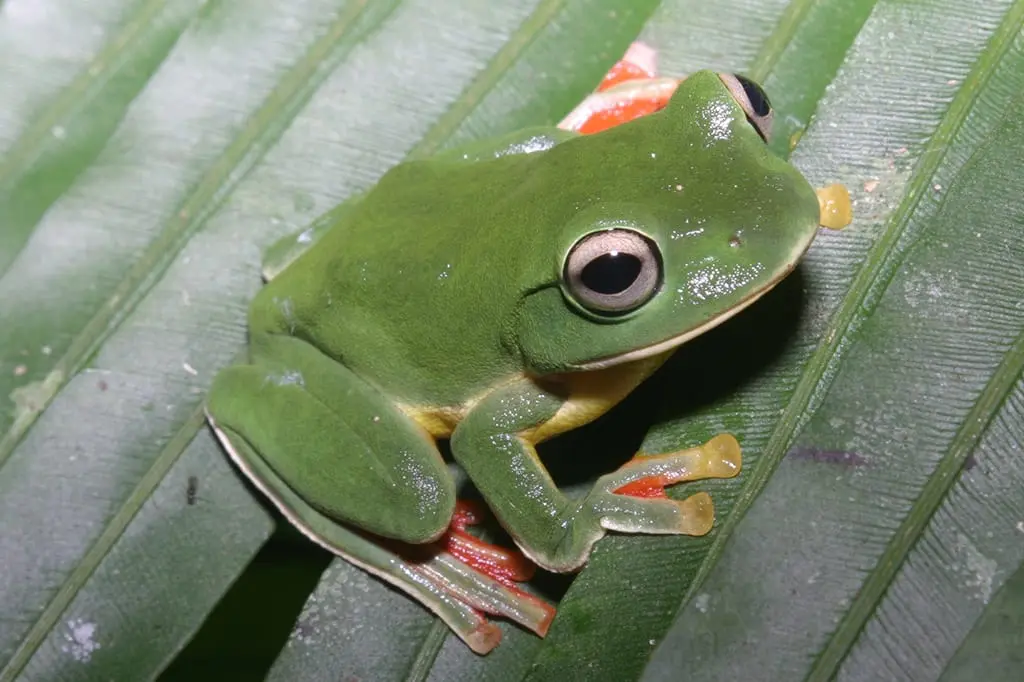
The country is home to an extraordinary variety of rare and endangered animals including large vertebrates that have only been discovered in recent decades. This includes the Saola cattle and the giant muntjac. Many reptiles and amphibians can also be found in the area. But unfortunately this unique diversity is being threatened severely by habitat loss and poaching. Many animals even disappear before they can be scientifically researched.
In Vietnam and Laos our German-Vietnamese team has discovered over the past few years over
100
NEW VERTEBRATE SPECIES
Prof.
Dr. Thomas Ziegler
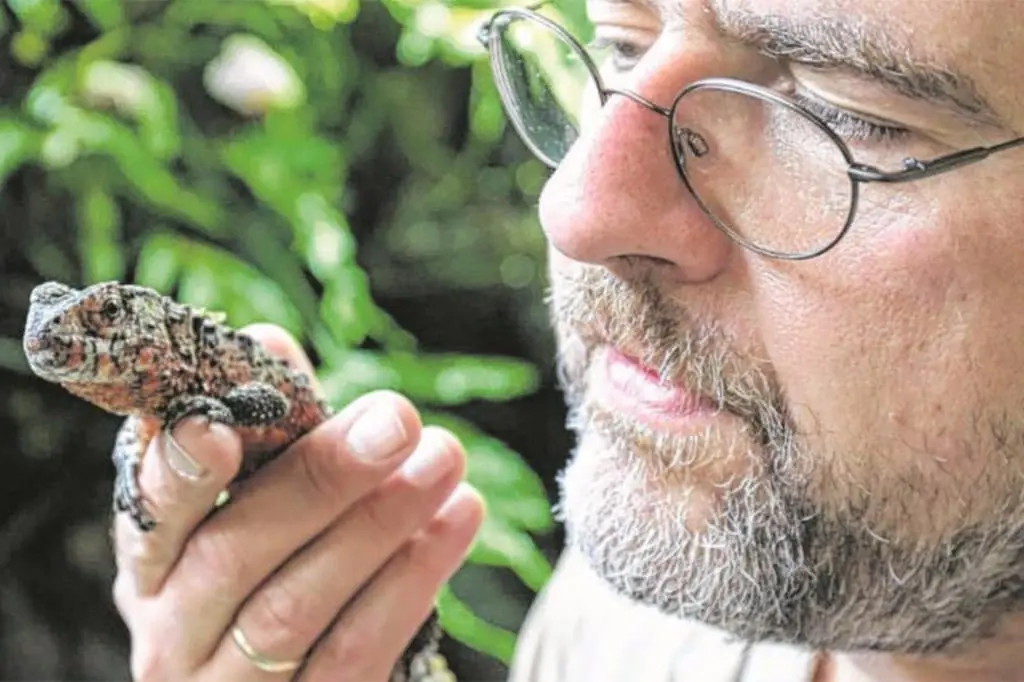
manages the aquarium at Cologne Zoo and is the coordinator of nature conservation projects in Vietnam and Laos. Together with his Vietnamese partner Dr. Truong Quang Nguyen, he has been active in research and nature conservation in Southeast Asia for many years.
Our successes
The Cologne Zoo team and its Vietnamese partners have discovered over 100 new vertebrate species in Vietnam and Laos in recent years. Meaningful conservation measures can now be initiated on the basis of this research. A promising breeding programme was launched in MeLinh for the crocodile-tailed lizard as well as for the endangered gecko species cnemaspis psychedelica in South Vietnam. Prof. Dr. Thomas Ziegler himself educates young scientists locally in the sciences and conservation through his work as a lecturer at the Universities of Hanoi and Ho Chi Minh City.

Elephant conservation in Sri Lanka

Project Country:
Sri Lanka
(Priority) species:
Elephants
Activity:
Reintroduction | Research | Management of human-animal conflicts
Responsible:
Christopher Landsberg (Kölner Zoo) Dr. Alexander Sliwa (Kölner Zoo) Brian Batstone (Kölner Zoo) Dr. Vijitha Perera (Wildtier- behörde Sri Lanka)
Duration:
Since 2012
Annual support:
5.000 Euro
Sri Lanka
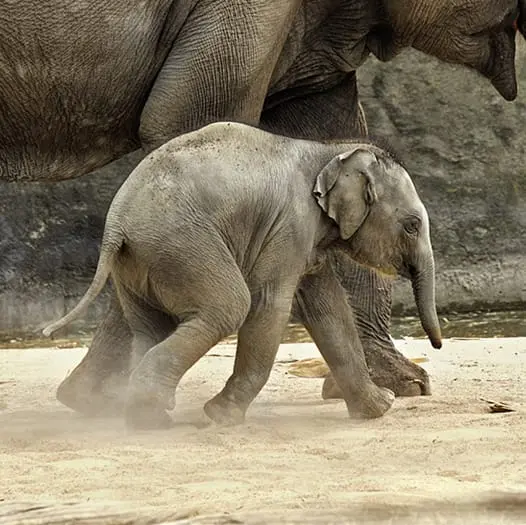
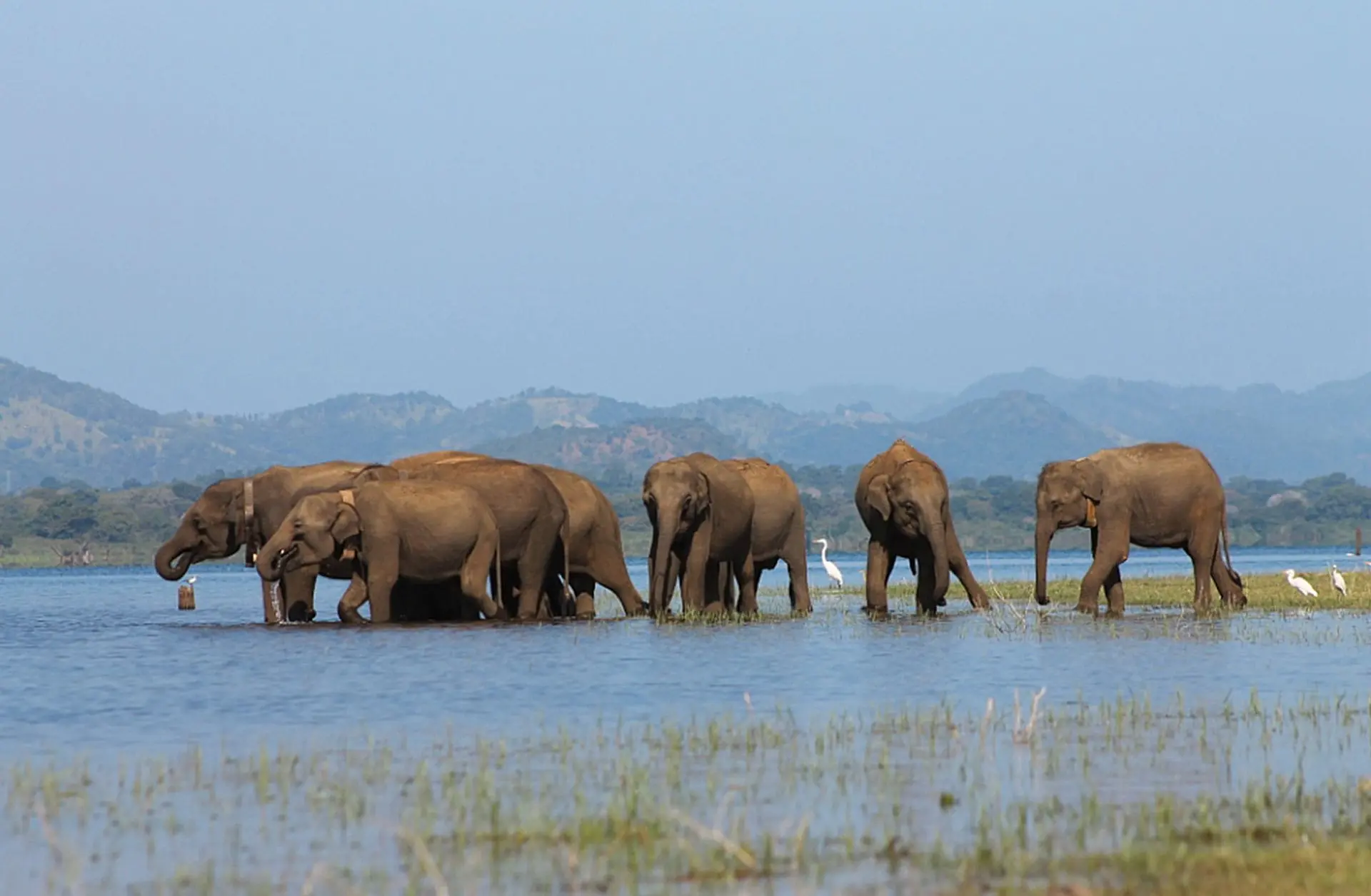
At about 65,000 square kilometres, Sri Lanka is not even as big as Bavaria, but with about 6,000 elephants it houses one-tenth of the entire population of Asian elephants. Some animals are kept as temple elephants, work elephants or riding animals for tourists. But the vast majority of animals live in the wild.
Sri Lanka has
1/10
of the Asian elephant population.
Bestuurslid Christopher Landsberg en curator Dr. Alexander Sliwa
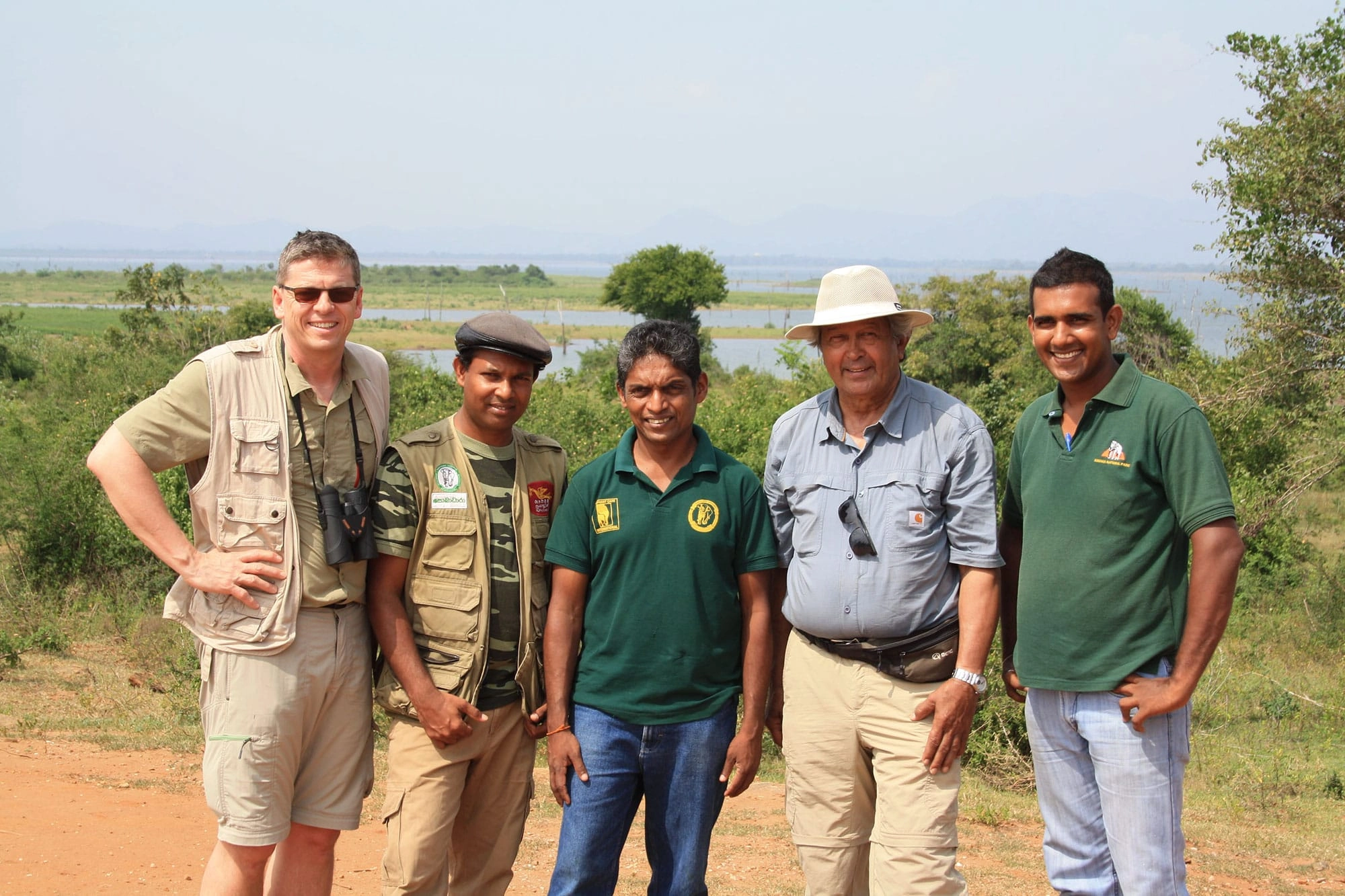
Board member Christopher Landsberg and curator Dr. Alexander Sliwa are responsible for this project for Cologne Zoo. Our former elephant keeper Brian Batstone acts as a “middleman” between Cologne and Sri Lanka. Dr. Vijitha Perera represents the responsible wildlife authority in Sri Lanka.
Worshiped and feared
Although Sri Lanka has a long tradition of elephant worship, the small but populous country is increasingly experiencing conflicts between the pachyderms and the people living there. Elephants live in herds of several dozen animals that need vast areas to cover their food needs. They are often blocked by fences or barbed wire during their foraging. But the animals also often return to plantations, destroying the fields and sometimes buildings. Often either the elephants or humans are harmed.
Our successes
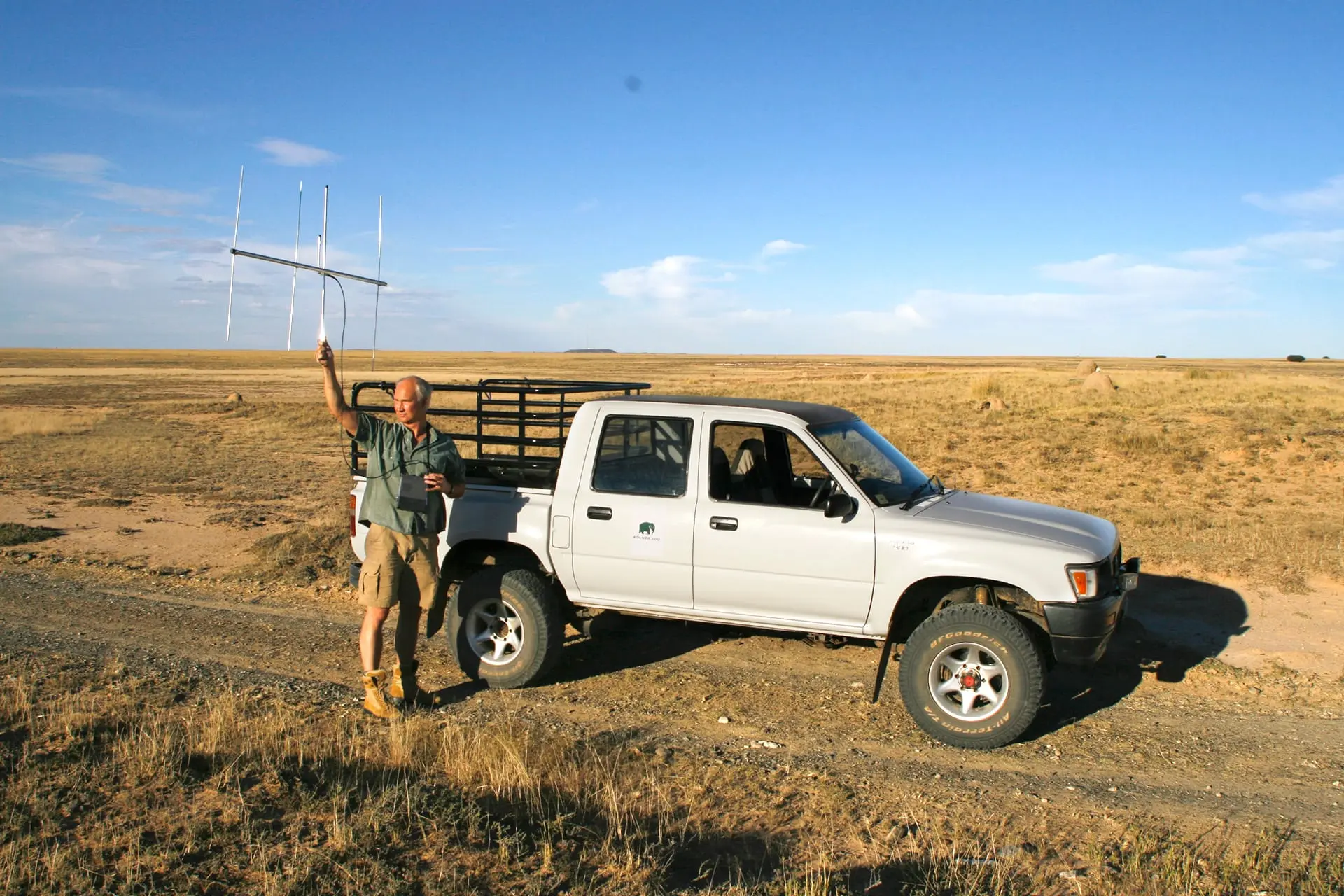
In October 2014, Cologne Zoo financed four telemetric collars and prepared animals for reintroduction to the wild. The collars make it possible to follow the long migrations of the animals. GPS collars will be used in the future for this purpose because they can transmit the movements of the animals directly via satellite.
The project
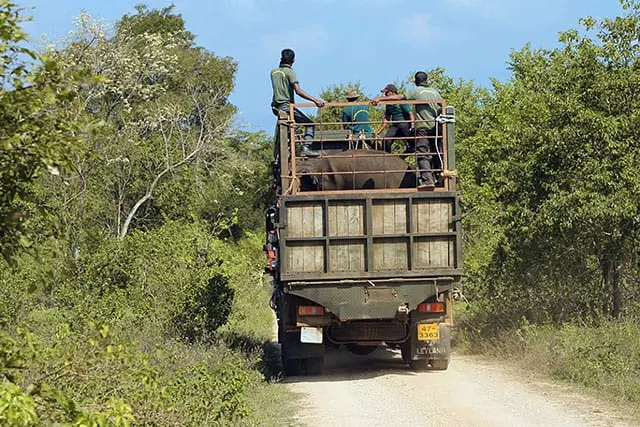
The Udawalawe recovery and reintroduction station in the south of the country has been taking care of young elephants who have been harmed in conflict situations since 1995, whether they were themselves injured or they lost their mother. Dr. Perera has headed the station for over ten years. The animals are first nursed and given medical treatment at the station. Then they are relocated to small social groups in the adjacent national park. The station staff also handles human-animal conflicts in the region. For example, they relocate “problem elephants” or negotiate compensation payments with the farmers. Cologne Zoo supports the reintroduction of elephants in the wild by financing collars for telemetric monitoring, providing scientific support for release, and passing on elephant husbandry expertise to zoos.

Conservation of black-footed cats in South Africa

Project Country:
South Afrika
(Priority) species:
Black-footed cat, the smallest African wild cat species
Activity:
Multidisciplinary research about biology, distribution and health status | Public relations
Responsible:
Dr. Alexander Sliwa
Duration:
Supported since 2008 by Cologne Zoo
Annual support:
About 5,000 euro
South Africa
The black-footed cat is the smallest wild cat species in Africa. Due to its relatively small distribution area and low settlement density, it is listed as “endangered” on the International Union for Conservation of Nature (IUCN) Red List.
From 2008 to 2015,
40
black-footed cats were fitted collars.
Dr. Alexander Sliwa,
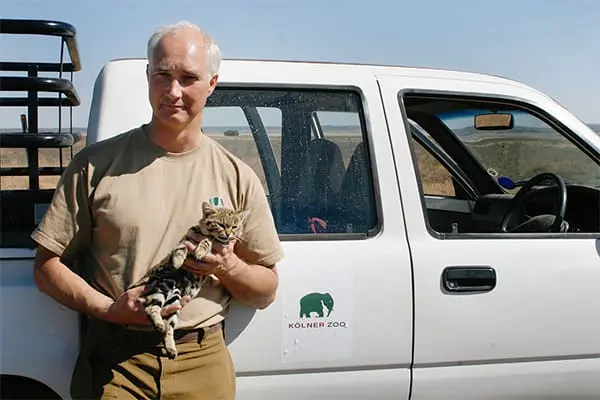
A curator at Cologne Zoo, Dr. Alexander Sliwa launched the international and interdisciplinary working group in 2008. He has been researching the black-footed cat since 1992. The Namibian scientist Martina Küsters has been active as a permanent field researcher since 2013. One of her priorities is collecting and analysing the data from animals equipped with a radio collar.
The background
Black-footed cats are found mainly in the Nama Karoo semi-desert and in the dry savannah areas in southern Africa. They inhabit areas with little rainfall, preferably between 200 – 600 mm per year. Their habitats have been especially threatened since settlement by European immigrants and the ever-increasing influence of humans. While conservation measures have long existed for charismatic large mammals that also live in these areas, such as the cheetah and black rhino, this has not been the case for the black-footed cat until now. A working group started in 2008 under the direction of Dr. Alexander Sliwa, curator at Cologne Zoo, is dedicated to the protection of animals based on scientific data collection.
Our successes
Das Schwarzfußkatzenprojekt ist eines der wenigen Langzeitprojekt an einer der kleineren, wenig bekannten, wilden Katzenarten weltweit. Die kontinuierliche Sammlung von Vergleichsdaten zu Fortpflanzung, Überlebensraten, Wanderungen, Streifgebietsgrößen und deren Änderung über Jahre hinweg sind von hoher Bedeutung. Nur die Kenntnis dieser wichtigen Faktoren der Populationsökologie ermöglicht eine bessere Einschätzung des Schutzstatus einer solch versteckt lebenden und seltenen Art. Somit wurde in der neuesten Überprüfung durch die Rote Liste der IUCN der Status „gefährdet“ erhalten, während viele andere als selten eingeschätzte Katzenarten in geringere Gefährdungskategorien eingestuft wurden.
The project
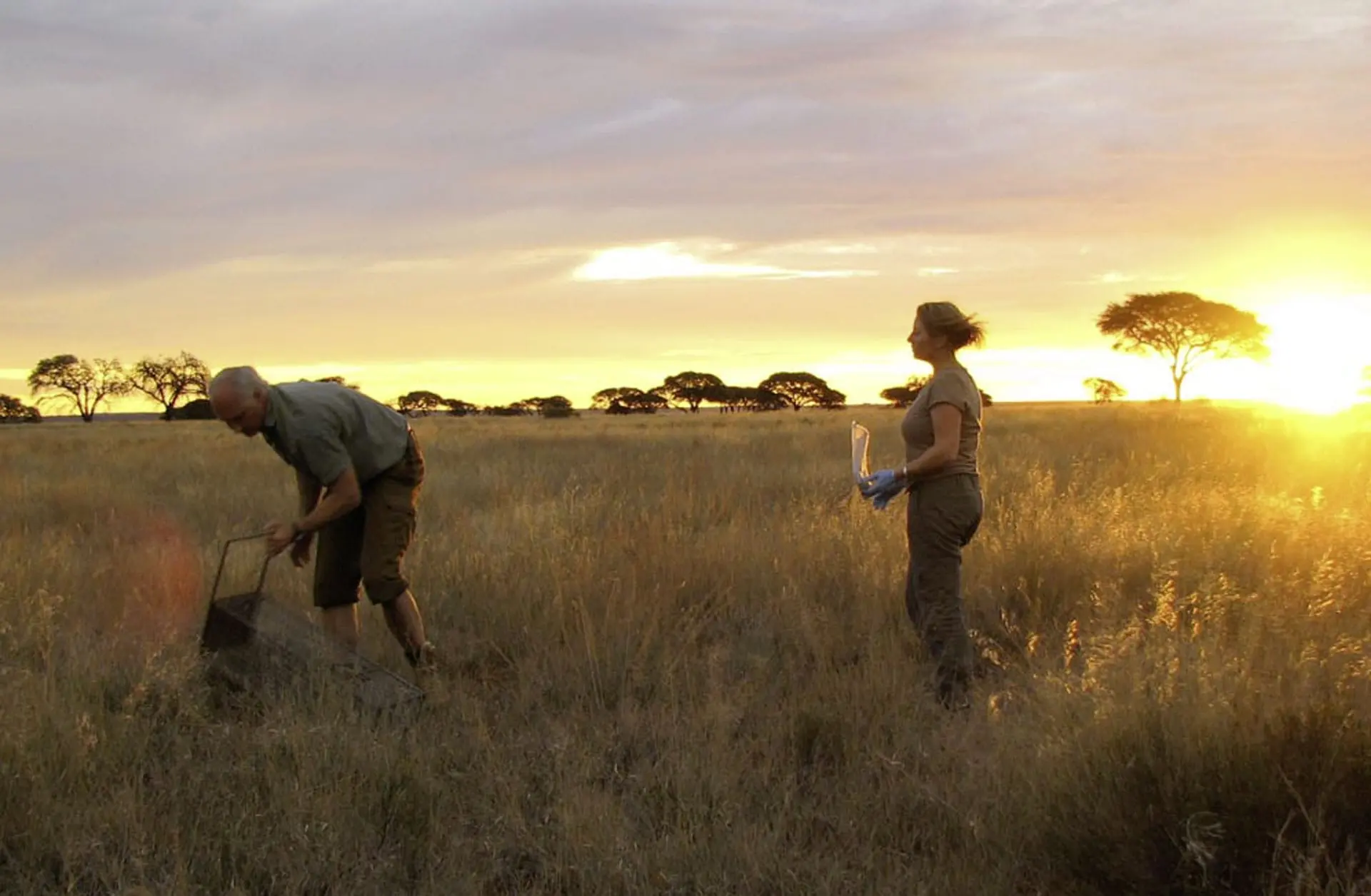
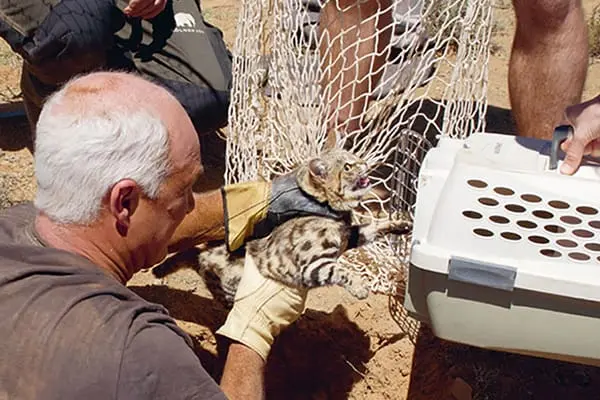
The working group consists of biologists, conservationists and veterinarians from South Africa, Namibia, the USA and Germany. They want to protect the very rare cat using different measures. Researchers are working in a multidisciplinary way to collect as much information as possible about the biology, spread and health status of the black-footed cat. Such research is the only way effective measures can be taken to ensure the conservation of endangered animals. Cologne Zoo supports our curator Dr. Alexander Sliwa in his research work by providing him with time and resources to do research for several weeks in the home area of the black-footed cat. Dr. Sliwa uses this time, for example, to capture wild animals together with his working group. After being captured, the animals are anesthetised and then given a thorough medical examination. This provides researchers insights into the animals’ state of health. Most animals are equipped with a radio collar before their release and are monitored for several years in order to collect useful comparative data, for example on their dietary habits and the size and use of their hunting areas. Together with local conservationists, the working group also seeks contact with landowners, rural workers and their families, tourism experts and media representatives, and raises awareness about the importance of nature conservation and measures for the conservation of the black-footed cat through lectures and excursions.

Management of
human-animal conflicts

Project Country:
Eswatini
(Priority) species:
Hippo | Crocodile | Rhino
Activity:
Management of human-animal conflicts | Support for anti-poaching units | Research
Responsible:
Dr. Alexander Sliwa (Keulense Zoo) Mickey Reilly (Big Game Parks)
Duration:
Since 2009
JAnnual support:
25.000 US dollars
Eswatini
The small kingdom of Eswatini in southern Africa once housed countless mammals. But the growing population, intensification of agriculture, exploitation of natural resources and big game hunting have contributed to the eradication of the former diversity – there are constantly conflicts between humans and animals.
Dramatic decline in black rhino numbers by
98%
Dr. Alexander Sliwa
is responsible for the project. As a curator for the Hippodome and many other hunting grounds, he is not only interested in the well-being of hippos and rhinos in Cologne Zoo, but also in Eswatini.
Rhino conservation in trouble
In the 1960s, around 100,000 black rhinos still lived in Africa. Population growth and poaching in particular led to a dramatic decline of 98 percent. In the meantime, more than 1,000 rhinos worldwide are poached every year. The rhinoceros was seriously endangered in Eswatini as well. With the support of Cologne zoo, the national conservation agency Big Game Parks counters poaching with effective anti-poaching patrols. Cologne Zoo also provides advice to its partner on wildlife management.
When animals become “problem animals”
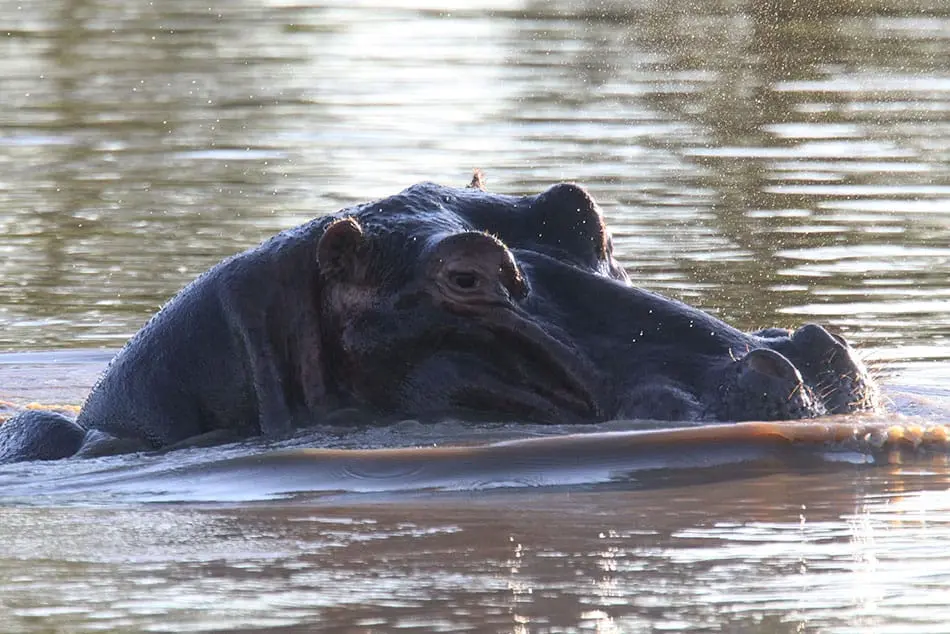
One of the biggest problems in Eswatini is competition between humans and animals. Farmers cultivate their fields along the riverbanks, which are also habitats to many animals. People bring water there, wash their laundry or have to cross the river. In doing so, they constantly come across dangerous animals such as hippos and crocodiles, against which they have to defend themselves. But grazing animals are also often attacked and killed. Through such conflicts, hippos and crocodiles have become “problem animals” for humans in these areas.
Our successes
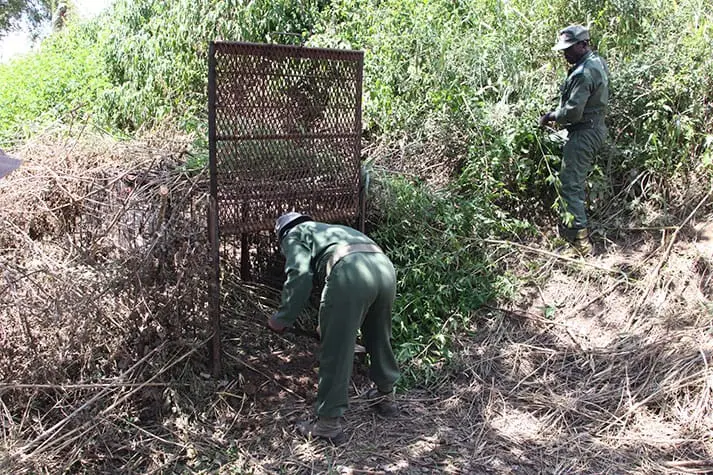
Cologne Zoo has been active in Eswatini since 2009 and supports its partner Big Game Parks with 25,000 US dollars a year for the protection of hippos, crocodiles, rhinoceros and other animals. The primary focus is on lessening or resolving the conflict between humans and animals classified as dangerous. Various measures are taken to manage human-animal conflicts:
• Protected areas are set up on the banks of rivers where people can safely fetch water.
• Hippos and crocodiles that cause damage or attack humans are relocated to protected areas.
• Construction and repair of dams creates new reservoirs and additional habitats for aquatic species.
• Two antelope species were also resettled in Eswatini with scientific support from Cologne Zoo.

PROJECTS WITH PARTNERS

PROJECTS WITH PARTNERS
SUPPORTING OTHERS
Cologne Zoo not only manages its own nature conservation projects, but also supports the work of selected partner organisations. It supports over 20 smaller and larger projects in Africa, Asia, South America and Europe now in a variety of ways.

MOBILE PHONES FOR GORILLAS AND BONOBOS

Project Country:
Democratic Republic of Congo
(Priority) species:
Gorilla | Bonobo
Activity:
Research
Responsible:
Dr. Alexander Sliwa, Ruth Dieckmann (Cologne Zoo) Gorillas: Mbeli Bai Study (Wildlife Conservation Society Congo) | Bonobos: Dr. Barbara Fruth (Bonobo alive eV)
Duration:
Since 2012
Annual support:
5,000 euro per project
CONGO
The Democratic Republic of the Congo is one of the most biodiverse regions in the world. But habitat destruction, civil wars, epidemics such as ebola and mining are making life difficult for Congo wildlife.
Both gorillas and the bonobos suffer from the expanding gold and coltan mines.
In areas with ebola infections,
there have been
up to 95%
LOSSES of
of western lowland gorillas.
Ruth Dieckmann
Ruth Dieckmann supervises the mobile phone collection campaign (handy@koelnerzoo.de). Dr. Alexander Silwa maintains contact with the project managers in Congo.
The background
Was hat mein Handy mit Gorillas und Bonobos zu tun? In Mobiltelefonen ist neben vielen anderen Metallen auch das seltene Erz Coltan verbaut, das im Lebensraum der Berggorillas und Bonobos abgebaut wird. Durch den Handyboom weiten sich die Coltanminen aus, der Lebensraum für die Menschenaffen schrumpft. Indem wir alte Handys sammeln und zum Recycling weitergeben, wird der Druck auf den Coltanabbau reduziert. Zugleich erhalten wir für die Handys eine Gutschrift, die Gorilla und Bonobo-Schutzprojekten zugute kommt. Wenn Sie Handys abgeben möchten, wenden Sie sich bitte an handy@koelnerzoo.de.
Project Mbeli Bai
Western lowland gorillas have a unique habitat in Congo consisting of huge, natural clearings called Bais. Mbeli Bai is located in the southeast of the Nouabalé Ndoki National Park and covers an area of 13 ha. 130 gorillas can regularly be found there. Researchers from the Wildlife Conservation Society (WCS) are studying their coexistence dynamics and the factors that influence growth and reproduction in the group. This information enables creation of a conservation plan. The “Club Ebobo” (Congolese for Gorilla) teaches schoolchildren about the importance of gorilla conservation. Another important factor is ecotourism, which offers travellers the opportunity to observe the animals up close. The money collected through ecotourism flows to the project.
Our successes
Since the beginning of the mobile phone campaign in spring 2009, Cologne Zoo has collected more than 60,000 old mobile phones to support the conservation of gorillas and bonobos. School classes and parishes as well as companies and sports clubs have supported the campaign with large collections. Many school classes have combined learning about the subject of “garbage” and “the rainforest” with a mobile-phone collection campaign.
Bonobo Alive project
Bonobos are the apes most closely related to us humans. They are distributed exclusively in the Democratic Republic of Congo. But they are regularly poached and their meat is sold at markets. Bonobo Alive is a conservation organisation dedicated to the protection of this unique ape species. Together with the local population and the Congolese Conservation Agency, they are working on a sustainable alliance to protect bonobos from poachers.
Absolutely worth protecting

Since the beginning of the mobile phone campaign in spring 2009, Cologne Zoo has collected more than 35,000 old mobile phones to support the conservation of

Field research for the conservation of the giant anteater

Project Country:
Brazil
(Priority) species:
Giant anteater
Activity:
Research
Responsible:
Dr. Alexander Sliwa (Cologne Zoo) | Dipl. Biol. Lydia Möcklinghoff
Duration:
Since 2012
Annual support:
5.000 Euro
South America
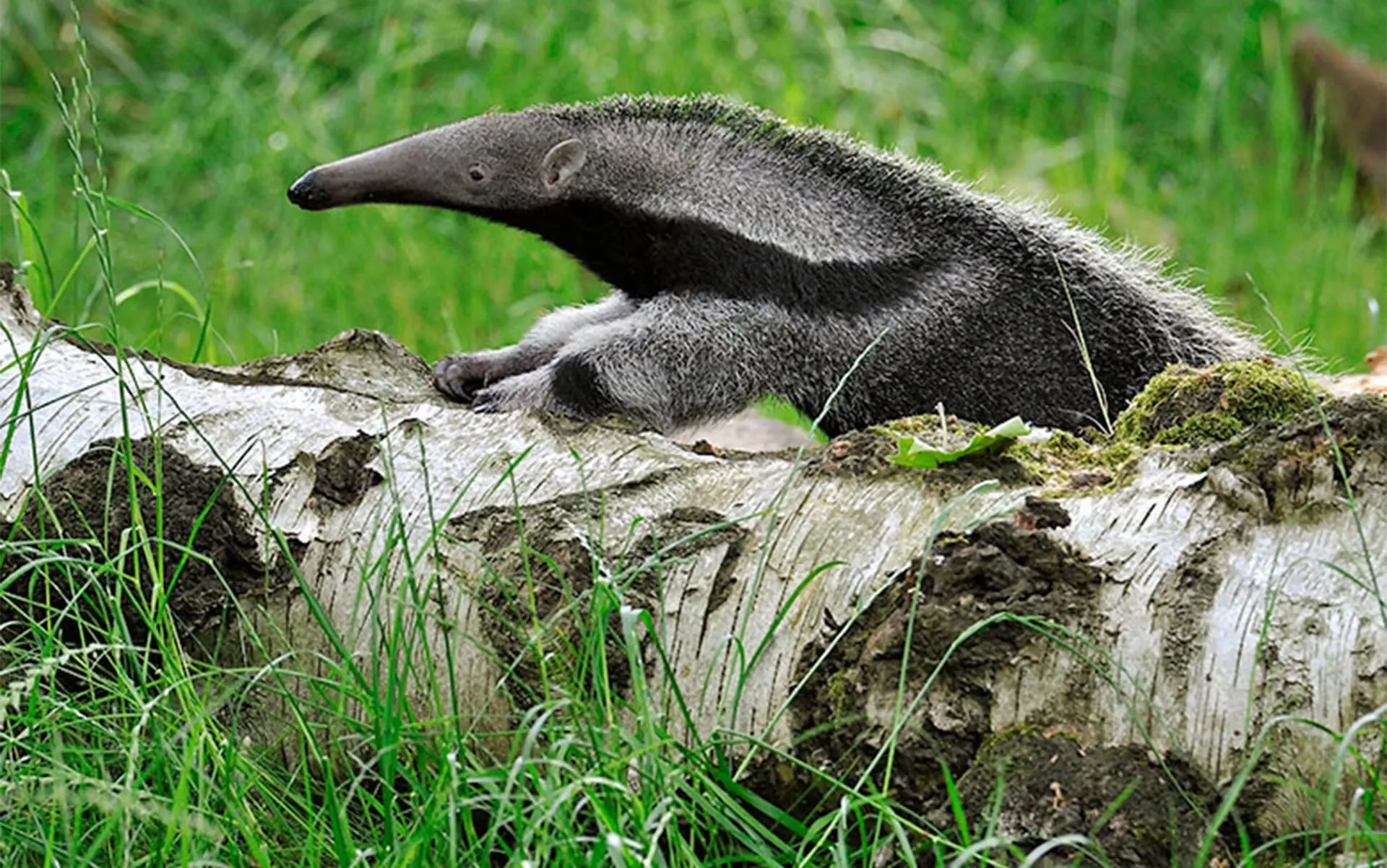
The giant anteater is an exceptional species in South America. It is an important ambassador for the conservation of the Pantanal, one of the endangered natural paradises in South America. Little is known about the life of giant anteaters in the wild. So it is difficult to develop conservation plans for this critically endangered species.
The giant anteater is already considered extinct in Uruguay and northern Argentina.
Dr. Alexander Sliwa,
Dr. Alexander Sliwa, curator for anteaters at the zoo, is responsible for the project. Dipl. Biol. Lydia Möcklinghoff does research on the giant anteater in different areas where it is distributed.
The giant anteater
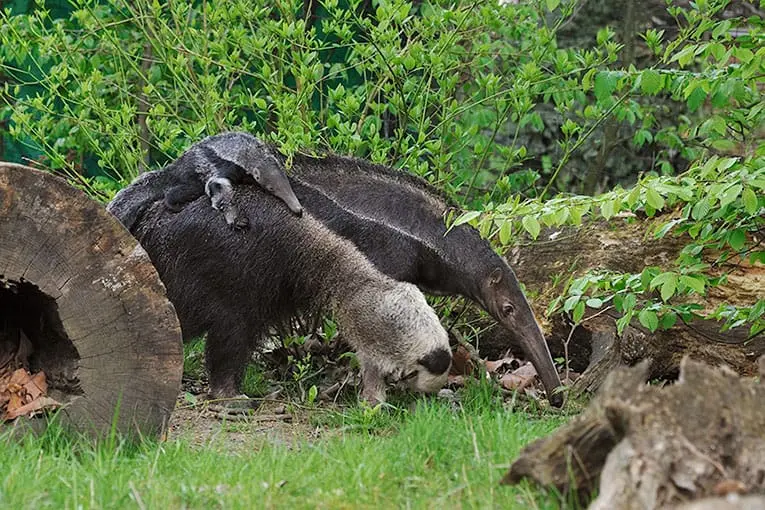
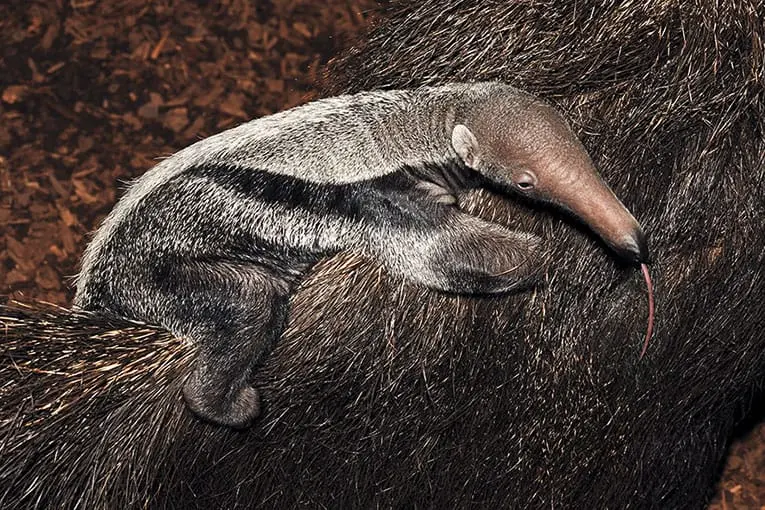
Giant anteaters are loners. The specialised animals feed exclusively on ants and termites, which they lick up with their long, sticky tongue. The IUCN Red List lists the great anteater as endangered. It is already considered extinct in Uruguay and northern Argentina. The destruction of their habitat as well as traffic have created difficulties for the rather slow animal.
Our successes
A German-Brazilian partnership of veterinarians and biologists has been conducting a multi-year research project on ecology and behaviour of the great anteater, which is currently the only project of its kind. This long-term work is possible due among other things to the financial and technical support from Cologne zoo.
The team has gathered an extensive database and great expertise so far. They are exploring the life of the giant anteater in the wild with the help of camera traps and behavioural observations. And they have created an image database of “resident” animals. They were able to observe for the first time that female anteaters have offspring annually. They have also shown that most individuals live in stable, overlapping grazing areas. And they have discovered a previously unknown communication system using scent marks.
The future
Our research continues. We will be equipping giant anteaters with GPS transmitter collars beginning this year. We can track anteater movement patterns for over a year using these collars, even during the flood period. This data is crucial to developing urgently needed conservation plans for the species and its habitat..
The Pantanal
The Pantanal is one of the largest inland wetlands in the world and a centre for biodiversity in South America. During the rainy season, the diverse mosaic of forests, savannahs, rivers and lakes is flooded once a year over a large area. The region has been managed for centuries by traditional, sustainable cattle breeding. In recent decades, however, large parts of the country have been deforested for intensive grazing and charcoal production. Experts estimate that the rich nature of the Pantanal could be lost by 2050 without effective protection.

Conservation of the flora and fauna of Madagaskar

Project Country:
Madagaskar
(Priority) species:
Lemurs | Birds | Amphibians
Activity:
Research | Conservation plans | Environmental education
Verantwortliche:
Bernd Marcordes (Cologne Zoo) | Eric Miller (Madagascar Fauna and Flora Group)
Duration:
Since 2011
Annual support:
10.000 US dollars
Madagaskar
Due to the special developmental history of Madagascar – the island split off from Africa 150 million years ago and from the Indian subcontinent around 90 million years ago – unique flora and fauna were able to develop on the fourth largest island in the world, especially lemurs. But Madagascar is one of the poorest countries in the world so this diversity is highly threatened.
80 %
of mammal and bird species found
in Madagascar only live there.
Bernd Marcordes
As the curator for the Madagascar House and our birds, the well-being of the unique Madagascar fauna is very important to him.
The background
Madagascar is a biological hotspot. Many animal and plant species were only able to develop here due to the island’s unique formation. These include 80 percent of mammals and bird species, 95 percent of reptile species and 100 percent of amphibians. If they are eradicated, they will be lost to the entire world. Cologne Zoo sees itself as responsible for advocating for the preservation of Madagascar fauna due in part to its history of lemur husbandry.
Our successes
There have been three successful relocations of the offspring of the black and white Varis into the wild in Betampona thereby increasing the population. Another focus of the MFG is the exploration of Madagascar amphibian fauna. In 2013, it was shown that chytrid fungus has spread in Madagascar and is probably responsible for the decline in a large number of amphibians. Methods for the systematic investigation of wild amphibians for the fungus, and targeted breeding programmes have been established and developed. The unique plant world has also been researched and propagated for years in a targeted way.
An extensive educational programme for school classes and interested people from the population complement the MFG’s activities. The Ivoloina Conservation Training Center enables students, teachers, university students and prospective scientists to gain hands-on experience in conservation work.
The project
Cologne Zoo is a member of the Madagascar Fauna & Flora Group (MFG); Director Theo Pagel sits on the Management Board. The consortium consists of staff from renowned zoos, botanical gardens, representatives of the Madagascar government as well as representatives of nature conservation authorities and local NGOs. It jointly develops and implements conservation plans for flora and fauna in Madagascar..
The MFG is based in Taomasina, the second largest city on the island. It manages the Parc Zoologique de Ivoloina from there. This 4-hectare zoo is home to only native Madagascar species and also serves as a holding centre for confiscated animals. There is also a large training centre where workshops and lessons take place for students. Sustainable farming methods and reforestation projects are also being developed here.
About 40 km inland is the Betampona nature reserve. Lemurs and other vertebrate species live in an intact but enclosed forest there. MFG staff conduct population surveys and examine where it makes sense to resettle lemurs.
Absolutely worth protecting

80 percent of mammals and bird species zoogdieren en vogelsoorten percent of reptile species - and 100 percent of amphibians live here.

Shipstern: Refuge for Central America’s fauna

Project Country:
Belize
(Priority) species:
Jaguar, tapir, peccary, and much more.
Activity:
Protecting biodiversity | Environmental education | Ecotourism
Verantwortliche:
Prof. Theo B. Pagel & Christopher Landsberg (Cologne Zoo) Heron Moreno (CSFI)
Duration:
Since 2015
Annual support:
10.000 euro
South America
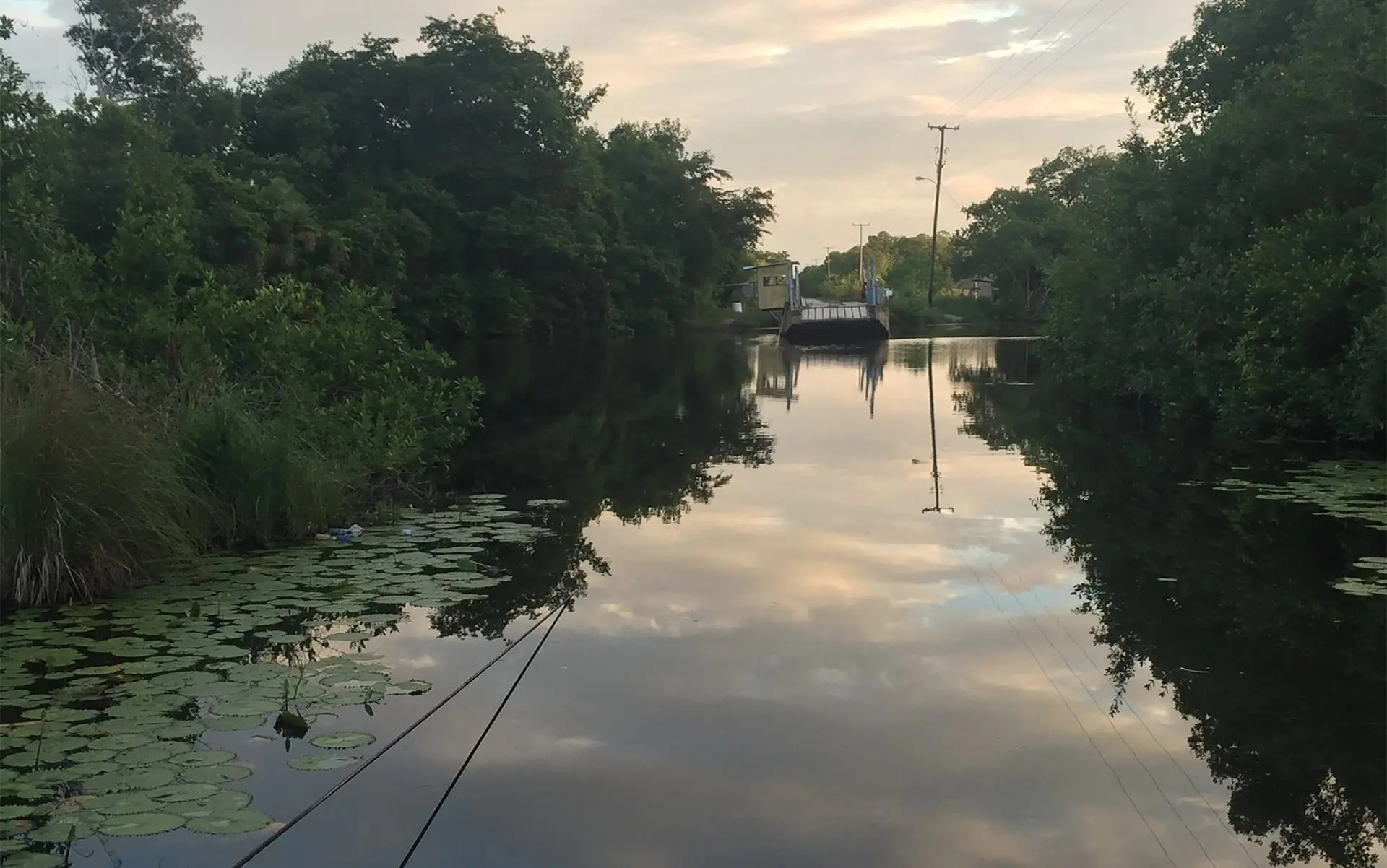
The Central American country of Belize has unique flora and fauna. There is a mosaic of different habitats between the dry tropical forests of Yucatan and the humid rainforests of Central America. Tapirs, pekaris, deer, jaguars, puma, crocodiles and numerous species of birds are found here.
Shipstern is one of the last lowland rainforests in Central America.
Prof. Theo B. Pagel and Christopher Landsberg
Prof. Theo B. Pagel and Christopher Landsberg supervise the project for Cologne Zoo. The project takes place under the umbrella of the International Tropical Conservation Fund (ITCF). Local conservation work is carried out by the Corozal Sustainable Future Initiative (CSFI), led by Heron Moreno.
With the support of the Cologne Zoo Shop..
Shipstern
The International Tropical Conservation Fund (ITCF) has been active in the 100km² Shipstern Nature Reserve in northeastern Belize for 25 years. They consistently protect the valuable resources in the area. The Corozal Sustainable Future Initiative (CSFI), whose rangers have equal power to the police, is responsible for the conservation measures. They fight illegal logging and slash-and-burn farming so corridors and buffer zones are preserved.
Honey Camp National Park & Freshwater Creek Forest
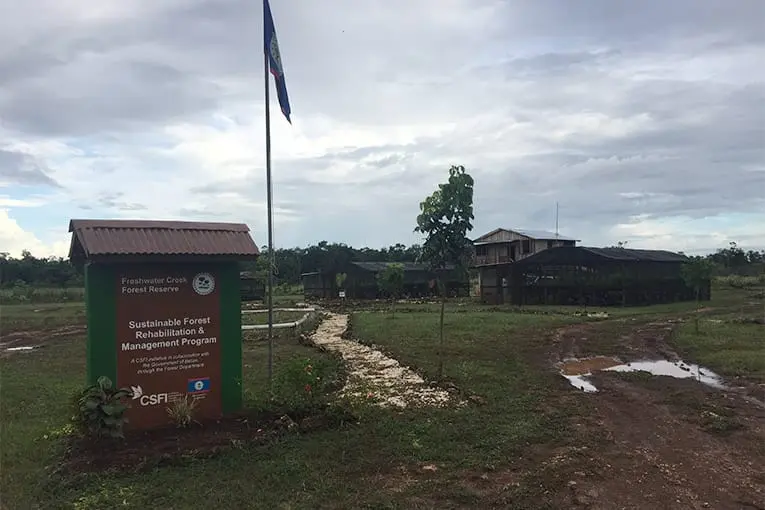
In 2013, the CSFI was mandated by the government to take over protection of Honey Camp National Park and the adjoining Freshwater Creek Forest located further inland. This allowed for the creation of additional important conservation areas. The total space of the three areas managed by CSFI is now 235km².
Our successes
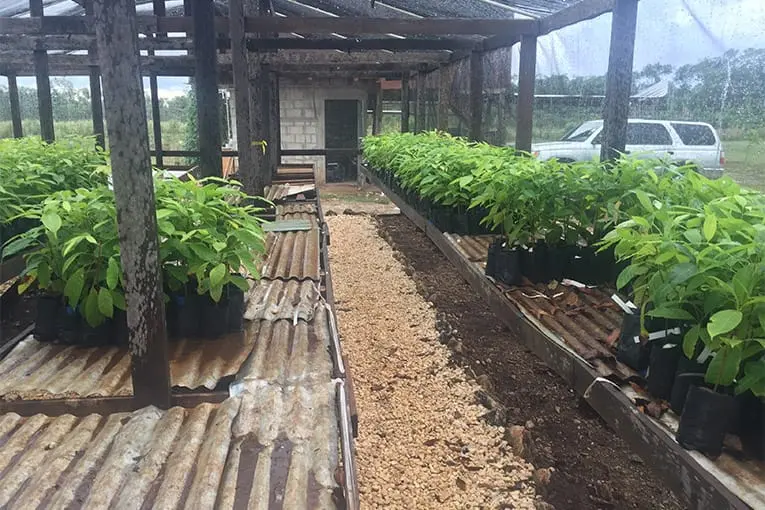
Due to CSFI’s longstanding work and consistent patrols by its rangers, the area around Shipstern and Honey Camp is one of the last seasonal lowland rainforests in Central America that still has a large degree of biodiversity. This wealth of flora and fauna is also made accessible to tourists through targeted programmes. The income from ecotourism, as well as all donations, flow 100 percent to nature conservation efforts. This pays for wages, equipment and fuel, while administrative costs are kept as low as possible. Sustainable forestry practices are being tested in the Freshwater Creek area. Over 200,000 mahogany and other hardwood trees will be planted over the next few years.
The future
The long-term goal is to connect the three protected areas of Shipstern, Honey Camp and Freshwater Creek through eco-corridors. The whole area will be accessible to sustainable tourism, and the generated income will benefit the local population. The International Tropical Conservation Fund’s vision is to transfer the model of Shipstern and its surrounding protected areas to other countries as well.

SUSTAINABLE ZOO

SUSTAINABLE ZOO
FOR THE ENVIRONMENT
Sustainable fish for humans and animals
Cologne Zoo is the first zoo in Germany to have sustainably caught fish with the MSC seal on the menu. Not only the zoo visitors enjoy sustainable fish at the restaurants, the sea lions and penguins are now also served MSC-certified herring and mackerel from sustainable fishing. Cologne Zoo and the zoo restaurants have been certified according to the MSC traceability standards for their efforts.
Our zoo is also a partner in the “Smart fishing with Kurt the cutter!” educational project. Together with the MSC (Marine Stewardship Council), we have developed project materials to increase awareness of the responsible use of fish as a natural resource and to show our zoo visitors the possibilities for sustainable fish consumption.
Smart fishing with Kurt the cutter
Cologne Zoo is a centre of expertise for nature and wildlife conservation. It educates its visitors on the topics of environmental protection, species conservation and biodiversity. Animals at the zoo act as ambassadors for their wild counterparts.
We support environmental protection on our own initiative and responsibility. We also implement measures to ensure environmental protection including:
Conserving resources in all departments through energy efficiency and sustainable use of raw materials
Use of regional and seasonal products, as well as products from sustainable production in catering, restaurants and the procurement of animal feed
Constant evaluation of energy, waste and emission streams to optimise environmental compatibility